What content does a Shopify product need?
One product needs clean product shots, lifestyle shots of it in use, ads for Meta and short video, social posts and banners for every platform. Making each one is the easy part. Keeping them all in one look, so your store, ads and Instagram read as the same brand, is the hard part.
By Nick Taylor · Updated · 3 min read
What content does one product need?
Here's the set we build for a single product, and where each piece does its work.
| Asset | Where it shows up | What it has to do |
|---|---|---|
| Product shots | Your product page, Google Shopping, marketplaces | Show exactly what arrives, label and all |
| Lifestyle shots | Product page, homepage, email | Show the product in a real life, in a real hand |
| Meta static ads | Facebook and Instagram feeds and stories | Stop the scroll in under a second |
| UGC-style video ads | Reels, TikTok, Stories | Feel like a customer talking, not a brand |
| Social posts | Your own Instagram and Facebook | Keep the feed alive between launches |
| Banners and covers | Homepage hero, collection pages, every platform's cover | Say what's new the moment someone lands |
| Motion loops | Product page, ads, homepage | Add movement without a video shoot |
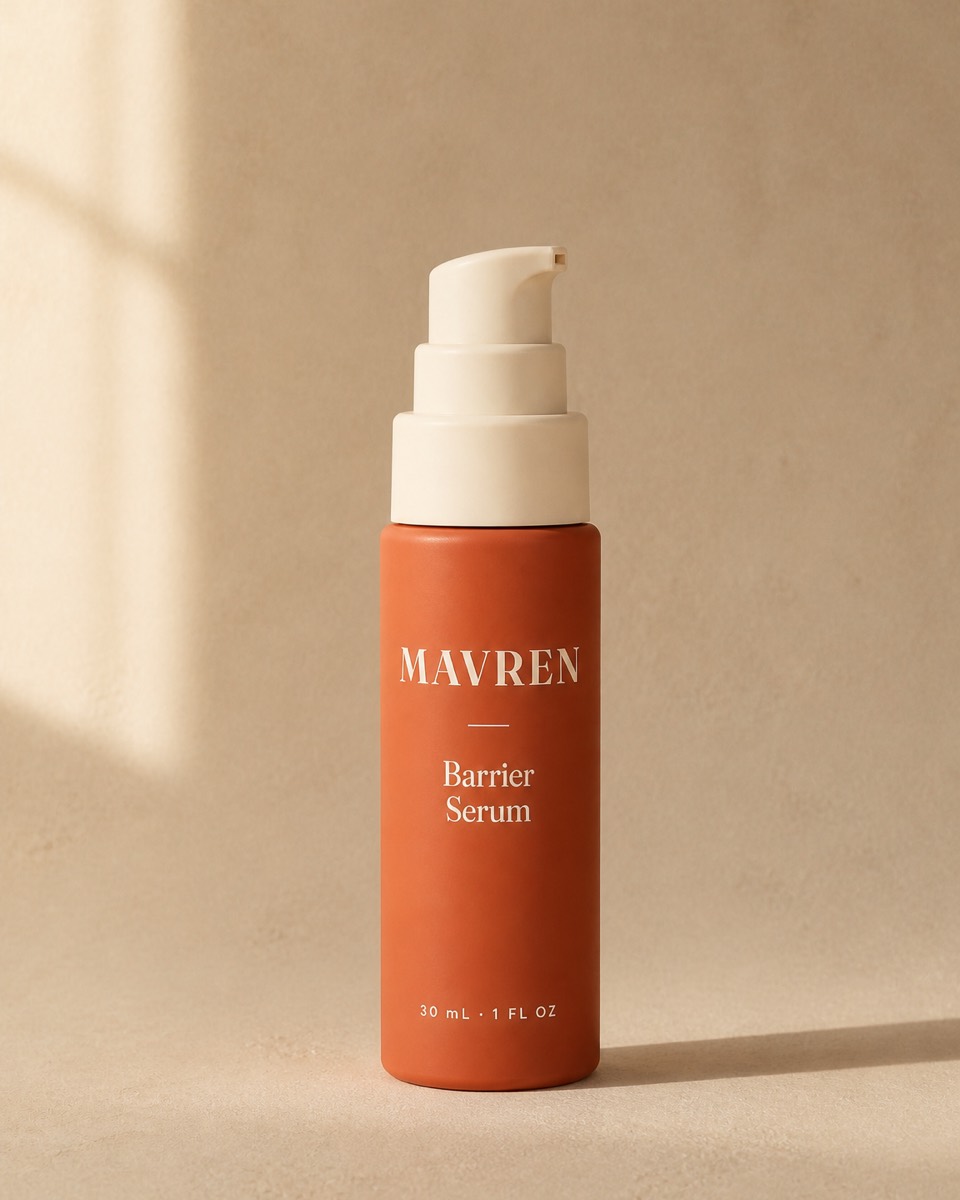
Why do my ads, homepage and Instagram look like three different brands?
Because each piece usually comes from a different person or a different tool. One person shot the product photos, another made the ads, and the social posts came out of whatever app was open that week.
Trying to keep your product and a cohesive concept across all these tools, let alone a founder trying to learn all the tools to even be able to do this, is just way too much.
Every handoff is a chance for the look to slip. I call it a game of telephone: the brief gets passed along in text, and each person reads it a little differently.
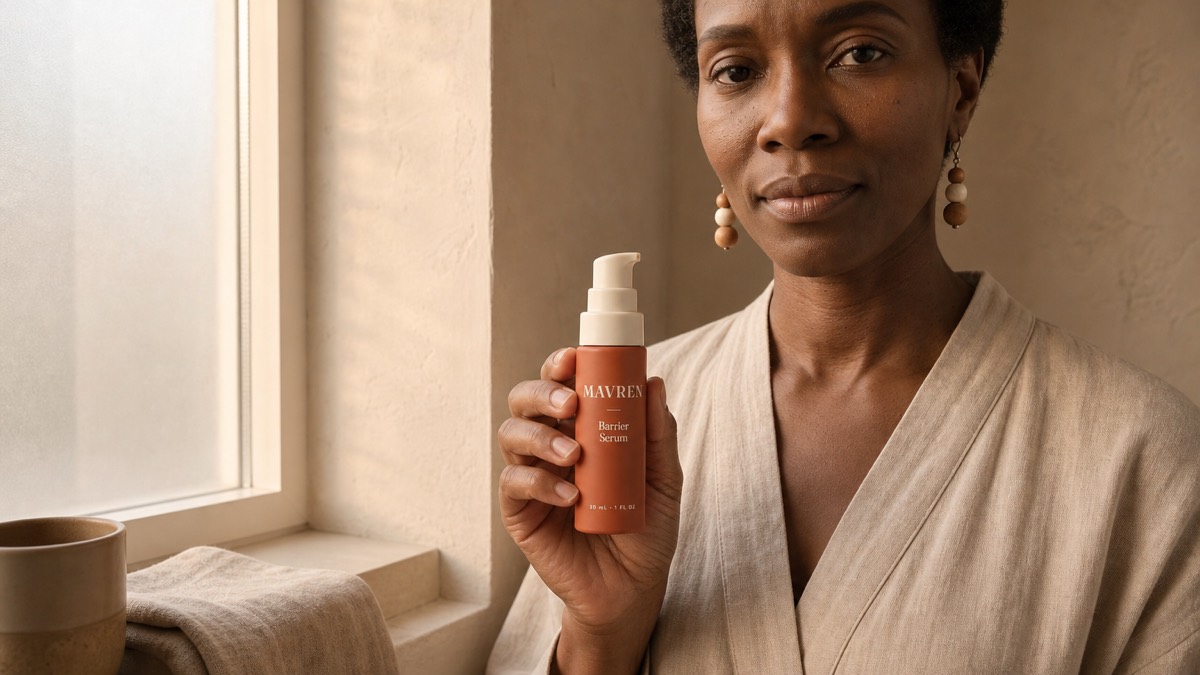
When does a brand need new content?
More often than most founders plan for. New packaging, a new product, Black Friday, Cyber Monday, the holidays and every seasonal sale all ask for a fresh round.
The need for new content would come around super quick, whether it's new product packaging or Black Friday, Cyber Monday, or holiday, or seasonal sales. It's always a reactionary thought: oh no, I need to make all this stuff now.
For most small brands that's three or four times a year. If you sell into the holidays, the seasonal calendar shows when each push should start, and the Black Friday page covers that one in detail.
How do you keep every asset in one look?
Start every asset from the same source: your real product photos, your brand's rules, and one creative direction you pick before anything is made.
- One product sheet. Every angle of the product, ideally on a plain gray background, with something everyone knows the size of (a coin works) for scale. AI tools drift on labels and proportions without it.
- One direction, chosen once. Pick the concept and the people first. Changing direction halfway through is how a campaign ends up looking like two.
- One check on every picture. Each image is compared against the real product before you see it, so a wrong label or an extra stripe gets caught and remade.
The first thing that breaks is the label.
That's why we check labels first. You can read more on how we handle AI images.
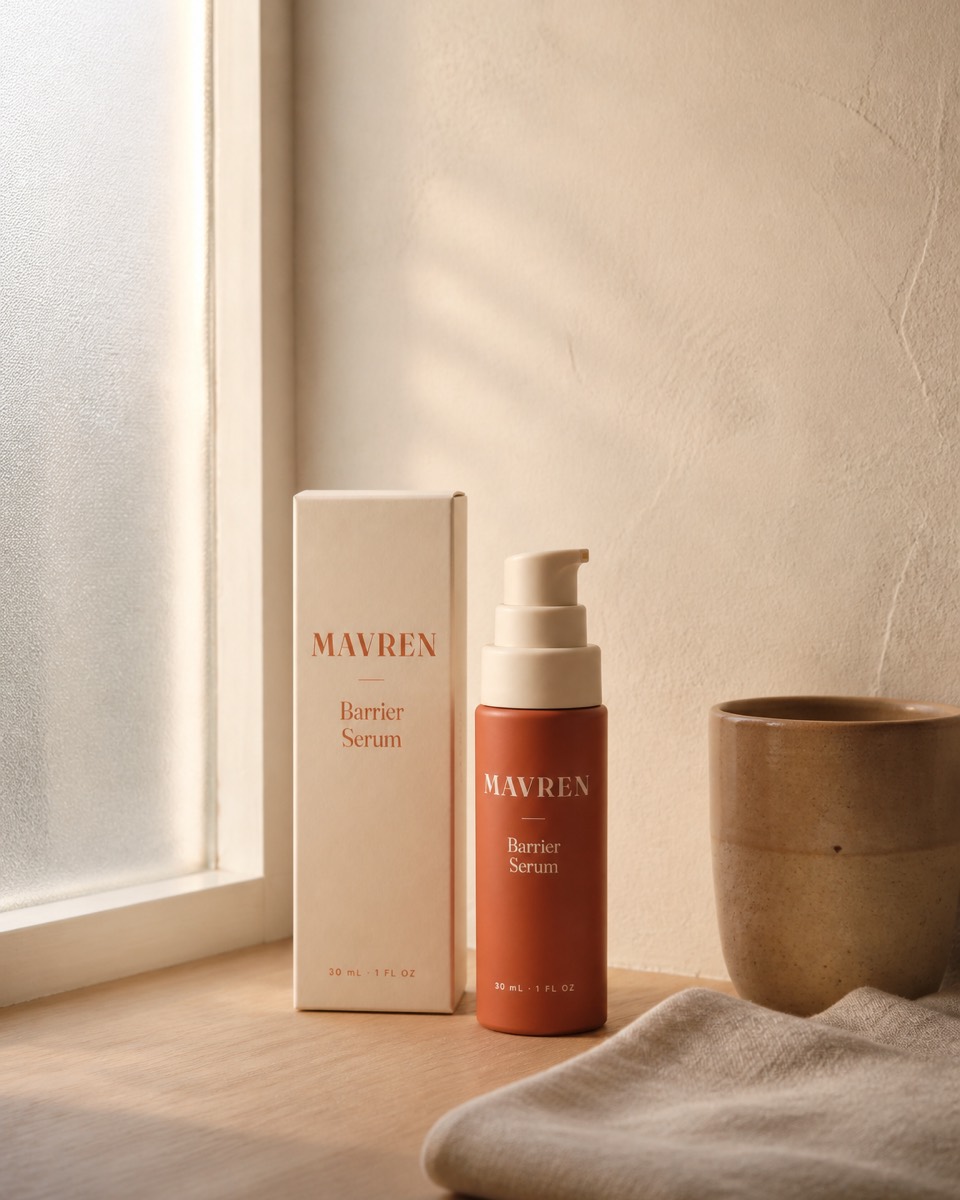
What should you fix on your product page first?
Look at your main product photo the way a stranger would. Can you tell exactly what you'd get, and does it make you want it?
Do the product shots actually entice you to want to buy it? If it's just a white image, you're probably not doing any of that.
A white-background shot is the minimum. Add one photo of the product in use, one in a setting that fits your customer, and one that shows what's inside or what it does.
How should a small brand choose who makes it?
It depends on your budget, how often you need new content, and how much of your own time you have. We compare a photo shoot, an agency, a single-job AI tool and one campaign side by side in compare your options, and put real numbers on it in how much product photography costs.
Every price is on the pricing page, with no subscription. When you're ready, start your campaign.